
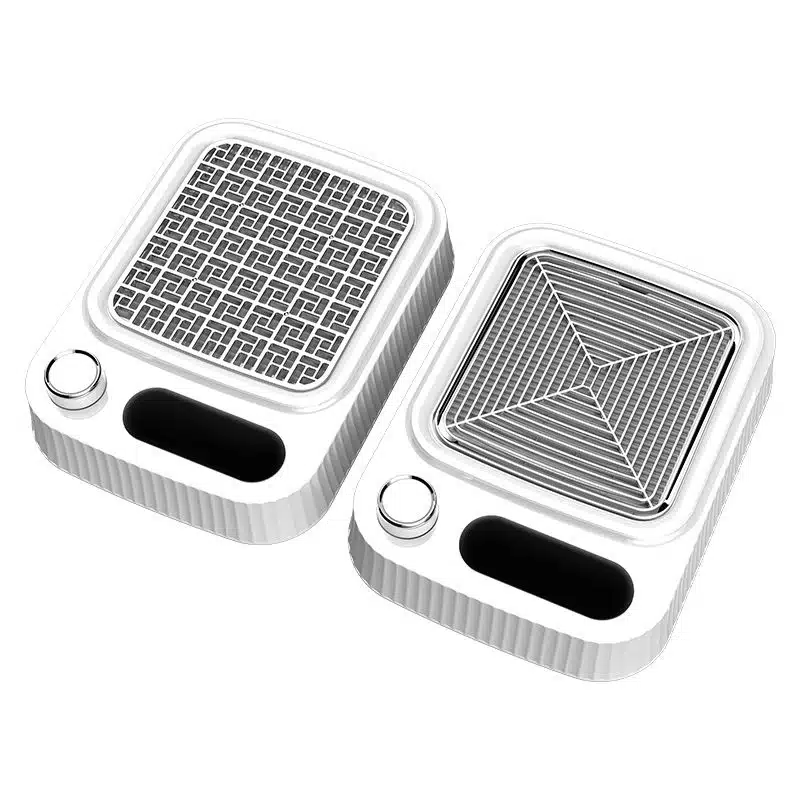
Yes, breathing in nail dust can hurt you. Many people get headaches, feel dizzy, get sleepy, or have skin problems right after breathing it in. After a while, they might have trouble breathing, get allergies, or even get very sick. Nail dust has chemicals like toluene, formaldehyde, and dibutyl phthalate. These chemicals can harm your lungs, kidneys, liver, and parts that help you have children. Using a nail dust collector lowers these dangers and makes your work area safer.
Key Takeaways
- Breathing in nail dust can make you feel sick right away. You might get a headache, feel dizzy, or your skin could get itchy.
- Breathing nail dust for a long time can cause bigger health problems. You could have trouble breathing, get allergies, or even get cancer.
- A nail dust collector helps keep the air clean. It makes the salon safer for workers and clients. Good airflow and cleaning often are very important in nail salons. These steps help keep everyone healthy.
- Wearing things like masks and gloves can protect you. They stop you from breathing in bad dust and chemicals.
What is nail dust?
How nail dust forms
Nail dust happens when people file or drill nails. These actions break the nail and make tiny pieces. Filing fake nails makes even smaller dust. This dust lands on skin, tools, and tables. Sometimes, nail dust gets on the nail plate. This can make nail products not stick well. It may cause nails to lift or peel.
Nail salons use electric files and drills. These tools work fast but make more dust. Workers and customers breathe in this dust during nail work. The dust can stay in the air for a long time. People might not see it, but it can build up and cause harm.
Tip: Clean your workspace and use the right tools to lower nail dust in the air.
Types of particles
Nail dust has many things in it. The dust comes from real and fake nails. Some dust is from acrylics, gels, and nail polish chemicals. Other dust has proteins and even germs.
Here is a table that shows what is in nail dust:
| Material/Chemical | Description |
|---|---|
| Keratin | The protein that makes up nails and hair. |
| Keratin Hydrolysates | Smaller fragments of keratin. |
| Chemicals from Polishes | Residues from nail polishes and acrylics. |
| Microorganisms | Potentially includes fungi. |
Nail dust can bother your breathing, cause allergies, and lead to asthma. The dust is very tiny, so it can get into your lungs. Nail salon workers face these problems every day.
Nail dust is not just powder. It is a mix of proteins, chemicals, and sometimes germs. Knowing what is in nail dust helps people stay safe and healthy.
Nail dust health risks
Breathing in nail dust and respiratory issues
Nail dust can be dangerous for workers and clients. When people breathe in nail dust, tiny pieces and chemicals go into their lungs. These small bits can float in the air for a long time. This makes it easier to breathe them in. Nail dust has germs like fungi. Some examples are Aspergillus and Trichophyton. These germs can make it hard to breathe and cause allergies.
Salon workers are at higher risk because they work with nail dust for many hours. Podiatrists say workers can get asthma or bronchitis after years of breathing nail dust. People may cough, wheeze, feel tightness in their chest, or have trouble breathing. If someone already has breathing problems, nail dust can make it worse. How bad the health problems get depends on how long someone is around nail dust and how sensitive they are.
Note: Salon workers have more health risks than people who work at home. This is because they are around nail dust longer and breathe in more of it.
Safety rules say salons should use machines that suck up dust. These machines should move at least 50 cubic feet of air each minute for every station. The part that sucks up the dust should be close to where the chemicals are used. This helps keep people safe. OSHA makes rules about how much chemical exposure is allowed in salons. But these rules may not always keep workers safe.
Allergic reactions and sensitivities
Nail dust has things in it that can cause allergies. These can make people get asthma, rhinitis, or conjunctivitis. People might sneeze, itch, cough, have a runny nose, or watery eyes. If someone breathes nail dust for a long time, their body can react even more to small amounts.
Many germs like fungus, yeast, and bacteria live in infected nails. Some examples are Candida, Aspergillus, Fusarium, and Staphylococcus aureus. These germs can make people very sick if they get inside the body. Trichophyton is a common fungus that can cause allergies in some people.
Callout: More than half of allergic skin problems at work happen to nail techs. Many get these problems in their first year. Most of these cases are caused by nail products.
Nail dust can make your body react more to breathing it in. If you breathe it for a long time, you might get allergies that do not go away. People may cough, wheeze, feel tightness in their chest, have a runny or stuffy nose, or watery and itchy eyes. Workers with allergies can have asthma attacks and trouble breathing.
Eye and skin irritation
Nail dust can bother your eyes and skin. Your eyes might feel sore, burn, itch, tear up, or water a lot. Your skin can get itchy or red. Some people get rhinitis or conjunctivitis from nail dust. Workers can also get eczema or dermatitis.
Some people get conjunctivitis or dermatitis from acrylates in salons. Beauticians say they get eye problems from these chemicals. Acrylates can cause allergies and make skin problems worse.
Short-term effects of nail dust are headaches, dizziness, sleepiness, skin problems, eye problems, and trouble breathing. Long-term problems can be skin allergies, cancer, kidney and liver disease, and problems with having babies.
Tip: Clean often, use good airflow, and use nail dust collectors. These steps help keep everyone safer in the salon.
Best practices for managing nail dust
Nail dust collector solutions
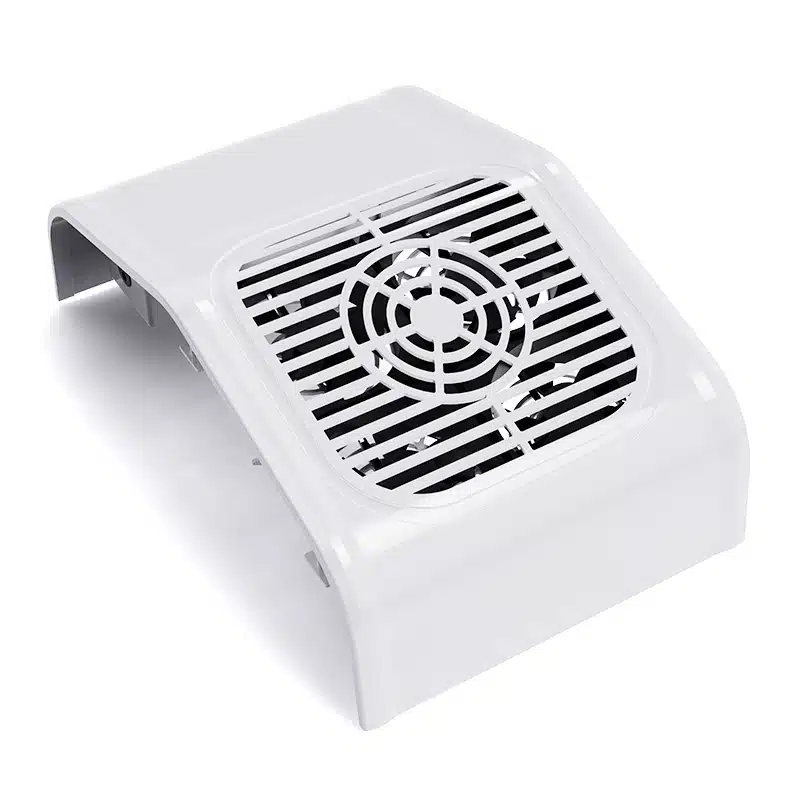
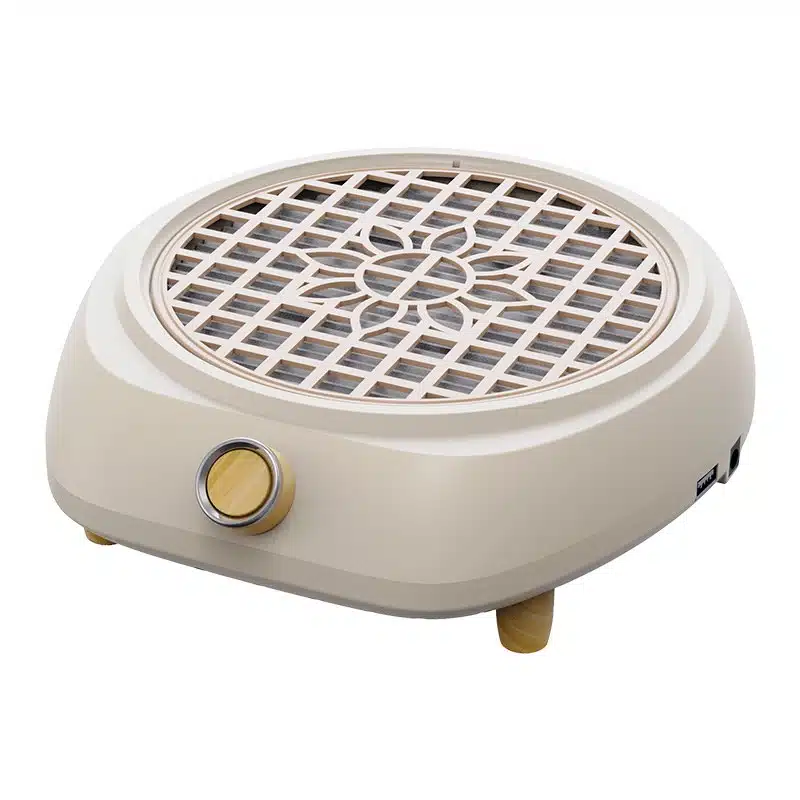
Nail salons and technicians should use safe ways to handle nail dust. Using a nail dust collector is a smart way to stop dust from spreading. The LANCOLOR Nail Dust Collector Machine is a strong tool for this job. It pulls in dust with powerful suction and special filters. Dust extractors grab dust before it can float around. These machines keep workers and clients safe from breathing in bad stuff. Picking the right dust extractor means thinking about risks, how big your workspace is, and what services you offer.
| Feature | Description |
|---|---|
| Type of Service and Usage | Choose a model for salon, mobile, or home use. |
| Budget and Long-Term Value | Get a unit that fits your needs and lasts long. |
| Available Workspace | Pick a size that works for your space. |
| Desired Features and Performance | Look for good filters, quiet sound, strong suction, and easy cleaning. |
Dust extractors make salons safer and help clean the air. They lower the chance of breathing in chemicals and tiny dust.
Ventilation and air quality
Good ventilation is important for keeping salons safe. Ventilation systems move air and take away dust and vapors. Local exhaust ventilation and air filters catch bad particles and keep air fresh. Better ventilation lowers dust in the air and meets safety rules.
Better ventilation in nail salons helps air quality by catching and cleaning harmful dust and VOCs. This makes the salon healthier for workers and clients. It lowers the amount of bad particles and follows safety rules.
Salons should use source capture systems and eHEPA filters. These systems pull out dust right where it starts and clean tiny particles. High air exchange rates help get rid of old air and lower dust.
Personal protective equipment
Protective gear helps stop people from breathing in dust. Workers should wear masks, gloves, and glasses. Masks with FFP2 or higher rating protect against dust. Gloves keep skin safe from dust and chemicals. Glasses stop eye irritation. Respirators give extra protection from toxic and chemical exposure.
Do not use surgical masks. Respirators are better for stopping dangerous gases and dust.
Cleaning routines
Cleaning well keeps salons safe. Workers should clean stations after each client and follow a daily cleaning plan. Stainless steel tools are easy to clean. Wash tools with soap and water, then use alcohol to disinfect. Use autoclaves or UV sterilizers for deep cleaning. Store tools in clean cases. Clean non-metal items with alcohol pads. Gloves help stop germs from spreading. Use a checklist to remember cleaning tasks.
- Buy stainless steel tools.
- Wash tools with soap and water.
- Disinfect with rubbing alcohol.
- Use autoclaves or UV sterilizers.
- Store tools in clean, dry cases.
- Clean non-metal tools with alcohol pads.
- Wear gloves for cleaning.
- Follow a cleaning routine.
- Stop germs from spreading.
- Keep the workplace very clean.
Local exhaust ventilation, dust extractors, and good cleaning habits lower dust and make salons safer. By checking risks and using safe ways to handle nail dust, salons protect workers and clients from breathing in dust.
Nail dust can be very bad for the health of workers and clients. It can cause breathing problems if people breathe in the dust. Skin can get red or itchy from touching nail dust. Nail dust has harmful chemicals that make health risks worse. If someone is around nail dust for a long time, they can get sick with serious diseases.
Salons that use nail dust collectors and air cleaners have better air. Clients feel safer and trust the salon more.
| Benefit | Description |
|---|---|
| Improved Client Trust | Clients feel safer and return more often. |
| Enhanced Air Quality | Workers and clients breathe cleaner air. |
Buying safety tools helps keep everyone safe and makes the salon a healthier place.
FAQ
What health problems can nail dust cause?
Nail dust can cause coughing, sneezing, headaches, and itchy skin. People may also get allergies or breathing problems. Long-term exposure can lead to serious lung diseases.
How does a nail dust collector help?
A nail dust collector pulls dust away from the air. It uses strong fans and filters to trap tiny particles. This keeps the workspace cleaner and safer for everyone.
Who needs to use a nail dust collector?
Nail technicians, salon workers, and anyone who files or drills nails should use a nail dust collector. It protects both workers and clients from harmful dust.
Can regular cleaning reduce nail dust risks?
Yes. Regular cleaning removes dust from surfaces and tools. This lowers the chance of breathing in harmful particles. Clean workspaces help keep everyone healthy.
Is wearing a mask enough to stay safe from nail dust?
A mask helps, but it does not catch all dust. Using a nail dust collector and good ventilation gives better protection. Workers should also wear gloves and clean often.