
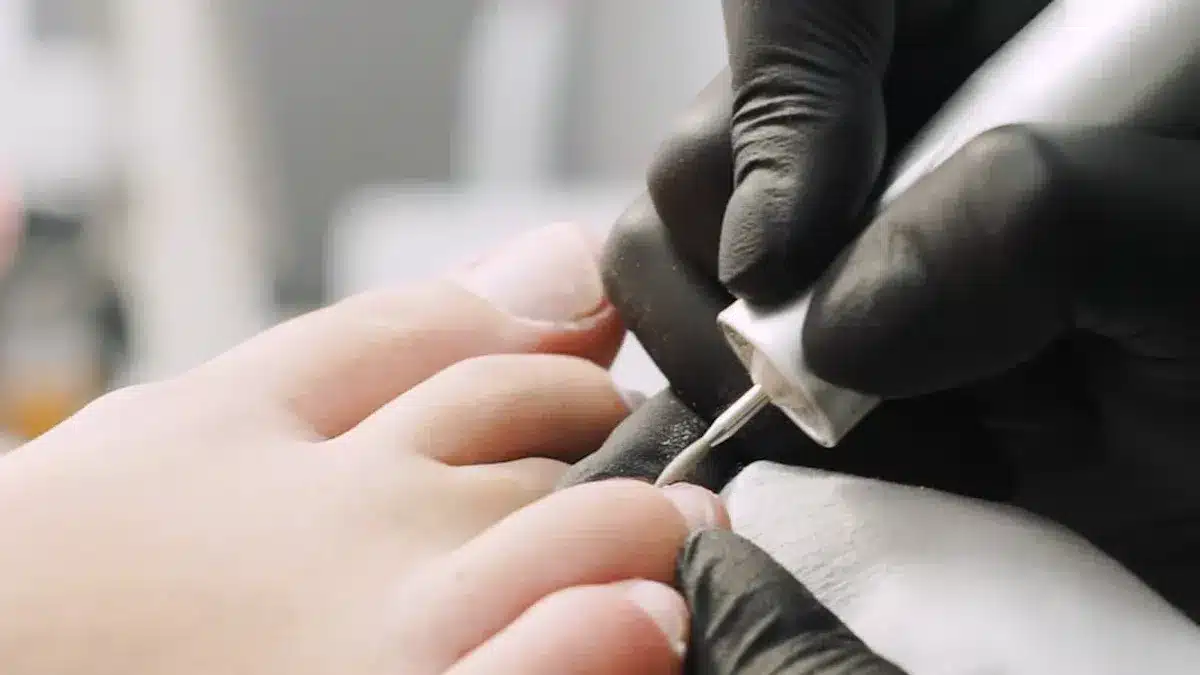
A nail drill with 35,000 rpm offers impressive speed, making it ideal for tasks such as drill gel nails and removing acrylics. Professional nail technicians appreciate this level of performance because it allows them to work efficiently and with precision. High-performance models, such as the drill nail pioneer 35000 rpm, are especially popular in salons where consistent speed and power are essential. For home users, it’s common to use lower settings on the nail drill to ensure safety. Ultimately, the best speed depends on the user’s experience and the specific needs of their nails.
Key Takeaways
A nail drill with 35,000 RPM is great for professionals. It helps remove acrylics and shape gels quickly.
Beginners should start with lower speeds, like 7,000 to 15,000 RPM, to avoid mistakes and protect their nails.
Using the right RPM for each task is crucial. Higher speeds work for tough materials, while lower speeds are safer for natural nails.
A good nail drill should have adjustable speeds. This allows users to switch between different nail care tasks easily.
Safety features, like overload protection, help prevent accidents. Always use gentle pressure and control the speed.
Understanding Nail Drill RPM

What Is RPM in Nail Drills
RPM stands for “Revolutions Per Minute.” This term measures how many times the bit of a nail drill spins in one minute. Nail drill rpm shows the maximum speed a device can reach. Most electric nail drills have rpm settings that range from 15,000 to 40,000. Many machines operate around 30,000 rpm.
RPM tells users how fast the drill bit moves.
Lower rpm settings work well for natural nails.
Higher rpm settings help with acrylic or gel nails.
Beginners often use drills with a maximum of 25,000 rpm.
Professionals may choose drills with 30,000 to 35,000 rpm for better performance.
A higher speed allows for quicker removal of nail products. Using lower speeds can help extend the life of the electric nail drill.
35,000 RPM Explained
A nail drill with 35,000 rpm offers advanced speed and power. This level of speed is common in professional salons. It helps with tasks like shaping hard gels, removing acrylics, and carving designs. The rpm settings on these drills allow users to adjust the speed for different nail services.
Feature | Specification |
|---|---|
Rotation Speed | 0-35,000 RPM |
Type | Rechargeable |
Noise Level | Low noise |
LCD Screen | Full screen intelligent LCD touch |
Practical Design | Portable handle, built-in grinding head socket |
A 35,000 rpm electric nail drill often includes features like low noise, smooth speed control, and ergonomic design. These features make long sessions more comfortable. The adjustable rpm settings let users switch between delicate cuticle work and tough acrylic removal. This flexibility improves the overall performance of the nail drill.
Tip: Always start with a lower speed and increase the rpm as needed for each task. This helps protect both the nails and the electric nail drill.
Is 35,000 RPM Necessary
Professional vs. Home Use
The need for a 35,000 rpm nail drill depends on who uses the tool and what tasks they perform. Professional nail technicians often choose high-performance nail drills with a higher rpm range. These machines can reach speeds between 35,000 and 50,000 rpm. This high speed helps them work quickly and handle tough materials like acrylics and gels. Professionals use these tools for many clients each day, so they need consistent performance.
Home users usually do not need such high rpm settings. Most electric nail drill machines for home use have a lower rpm range, from 10,000 to 25,000 rpm. These speeds are safer for beginners and work well for simple nail care tasks. Lower rpm settings help prevent mistakes and protect natural nails from damage.
Professional nail drill machines operate at 35,000 – 50,000 rpm for fast and consistent results.
Home-use machines work at 10,000 – 25,000 rpm, making them safer for less experienced users.
The LANCOLOR Nail Drill Machine stands out because it offers adjustable rpm settings. It can reach up to 45,000 rpm, which gives both professionals and home users the flexibility to choose the right speed for each task. This wide rpm capacity means users can switch from gentle nail care to tough acrylic removal with one tool.
RPM for Different Nail Services
Different nail services require different rpm settings. Not every task needs the highest speed. For example, removing thick layers of acrylic or shaping hard gels often needs a higher rpm. These materials are strong, so a fast nail drill makes the job easier and faster. Nail services that involve acrylics and gels benefit from a 35,000 rpm nail drill. The high speed helps with shaping and carving, giving smooth results.
For natural nails and cuticle care, a lower rpm is much safer. High speed can damage the nail plate or skin. Precision tasks, like cleaning around the cuticle, need slow and careful movements. Lower rpm settings give better control and reduce the risk of injury.
Here is a table showing the recommended rpm for different nail services:
Nail Service Type | Recommended RPM Setting |
|---|---|
Removing thick layers of acrylic | 20,000 – 30,000 RPM |
Natural nails and cuticle care | 5,000 – 7,000 RPM |
General nail treatment | Lower RPM preferred for precision |
Another table shows the best rpm range for common nail care tasks:
Nail Care Task | Recommended RPM Range |
|---|---|
Natural Nail Work | 3,000 – 8,000 RPM |
Acrylic or Gel Removal | 15,000 – 25,000 RPM |
The impact of rpm on nail care is clear. Higher rpm helps with tough jobs like acrylic removal and shaping. Lower rpm protects natural nails and gives better control for detailed work. The LANCOLOR Nail Drill Machine allows users to adjust the speed for each technique. This makes it a good choice for anyone who wants both power and safety in one nail drill.
Tip: Always match the rpm settings to the nail service. Use higher rpm for acrylics and gels, and lower rpm for natural nails and cuticles. This technique keeps nails healthy and prevents damage.
Benefits of 35,000 RPM
Efficiency and Speed
A nail drill with 35,000 rpm makes nail care much faster. Nail technicians can finish their work quicker than with hand tools. The fast speed helps remove old polish, acrylics, or gels quickly. This means more clients can get their nails done in less time. Many electric nail drills have LCD screens to check speed easily. They also have comfortable handpieces to help hands feel less tired during long work.
A nail drill with high rpm saves time on each service.
Technicians can work faster and still do a good job.
Using the right rpm helps keep hands from getting too tired.
Tip: Using the right speed on a nail drill makes work easier and helps you get more done.
Versatility for Nail Types
A nail drill with 35,000 rpm can do many jobs. It works on both natural and fake nails. The drill can sand, cut, polish, and drill nails. Many drills come with different attachments for different tasks. This lets nail technicians do many kinds of nail services.
The drill’s speed helps remove all types of nails fast.
Attachments let users try more nail art styles.
Users can change the rpm for each nail type.
Handling Tough Materials
A 35,000 rpm nail drill can handle hard materials easily. It shapes hard gels and removes thick acrylics without slowing down. The right drill bits make these jobs even easier. The table below shows which bits are best for each nail material:
Nail Material Type | Suitable Drill Bits |
|---|---|
Natural Nails | Diamond, Carbide |
Artificial Nails | Ceramic, Stone |
Buffing | Silicone buffers |
Sanding | Sanding caps |
The high rpm gives the drill enough power for tough jobs. This makes shaping and removing nails quick and accurate. Nail care professionals can trust the electric nail drill to work well, even on hard tasks.
Drawbacks and Safety Considerations
Control and Safety at High RPM
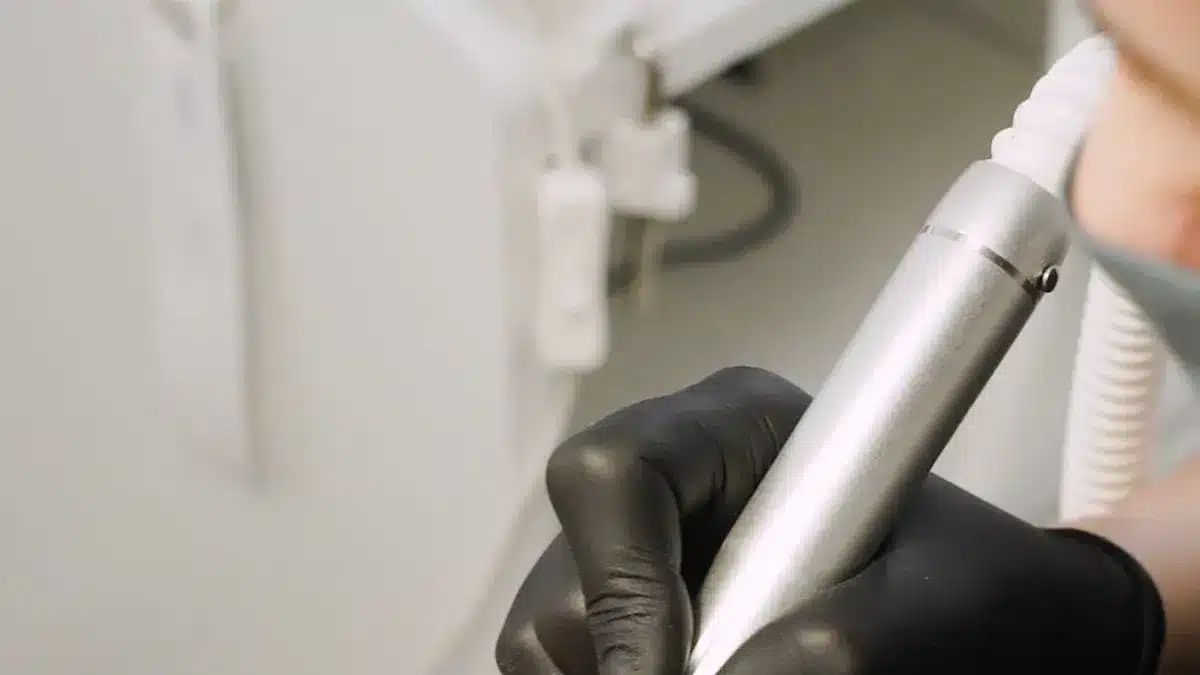
Operating a nail drill at high rpm requires skill and attention. At 35,000 rpm, the drill bit spins very quickly. This speed can make the tool harder to control, especially for beginners. A small slip may cause injury or damage to the nail. Nail care professionals must use steady hands and proper technique to avoid accidents. Many electric nail drills offer adjustable rpm settings, which help users match the speed to their experience level and the task at hand. Lower rpm gives more control for delicate work, such as shaping natural nails or working near the cuticle.
Safety Concern | Description |
|---|---|
Nail Damage | High-speed filing can thin nails, causing damage that may take months to heal. |
Heat Buildup | Fast speeds create friction, leading to heat and possible discomfort. |
Discomfort from Vibration | Both clients and technicians may feel pain or discomfort from vibrations. |
Tip: Always start with a lower rpm and increase the speed only when needed for tougher materials.
Noise and Heat
Nail drills running at 35,000 rpm often produce more heat than those at lower speeds. The friction between the bit and the nail surface increases as the speed rises. This heat can cause discomfort or even lead to nail separation if not managed. The type of motor also affects noise and heat. DC motors tend to run quieter and cooler than AC motors. Nail care professionals should monitor both noise and heat during long sessions to maintain comfort and performance.
Nail drills at high rpm generate more heat, which can cause discomfort.
DC motors are quieter and produce less heat than AC motors.
Risk of Nail Damage
Using a nail drill at higher rpm increases the risk of nail damage if not used correctly. Over-filing or applying too much pressure can thin the nail plate. Heat buildup from fast speeds may also harm the nail. Proper technique and careful rpm settings are essential for safe nail care. Beginners should practice with lower rpm before moving to higher speeds. This approach helps prevent mistakes and keeps nails healthy.
Incorrect use of electric nail drills can lead to nail damage.
Proper technique and speed settings reduce the risk of harm.
Higher rpm may increase the chance of damage if not handled with care.
Choosing the Right RPM
Matching RPM to Skill Level
Selecting the right speed for a nail drill depends on the user’s experience and the type of nail care needed. Beginners should start with lower speeds. A drill with up to 25,000 rpm works well for those learning proper rpm technique. This helps users stay in control and avoid mistakes. Professionals often use higher rpm for faster results and tougher materials.
Factors to consider when choosing the right speed include:
Natural nails: Up to 15,000 rpm is enough for shaping and smoothing.
Acrylic nails: At least 25,000 rpm is recommended for removal and shaping.
Delicate procedures: Slow speed (1,000-10,000 rpm) works best.
General filing: Medium speed (10,000-15,000 rpm) is common.
Quick product removal: High speed (15,000-35,000 rpm) is useful.
The LANCOLOR Nail Drill Machine offers adjustable rpm settings. Users can select the speed that matches their skill level and nail type. The ergonomic design helps keep hands comfortable, even during long nail care sessions.
Practical Tips for Safe Use
Safe operation is important for every nail drill user. The LANCOLOR Nail Drill Machine includes overload protection. If someone pushes too hard, the machine shuts off to prevent accidents. The non-slip handle and low vibration design help users keep a steady grip. These features make nail care safer and more comfortable.
Here is a table showing recommended rpm ranges for different tasks:
Task | Recommended RPM Range |
|---|---|
Natural Nail Work | 7,000 – 15,000 |
Acrylic Removal | 25,000 – 35,000 |
Cuticle Care | 1,000 – 7,000 |
Tip: Always match the speed to the task. Use lower speeds for natural nails and cuticles. Use higher rpm for acrylic removal. This keeps nails healthy and prevents damage.
Proper rpm technique means starting slow and increasing speed only when needed. Users should always check the drill bit and keep the handpiece steady. Good habits and the right tool make nail care easy and safe.
A 35,000 RPM nail drill is powerful for experts and skilled users. You can change the speed to fit different jobs. It works for shaping acrylics and caring for natural nails. People new to nail drills should use slower speeds to stay safe. Always look up the best RPM for each nail type. Also, think about noise and heat when using the drill. Picking the right nail drill keeps nails safe and gives good results.