
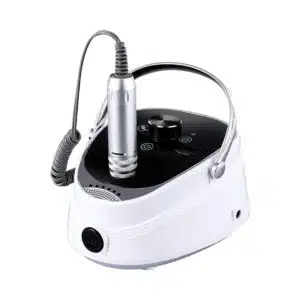
Many people wonder if nail drills cause damage to nails. Improper use can lead to problems, but safe practices help protect nail health. Some worry about using a nail drill at home instead of seeing a professional. They want to keep their nails strong and healthy. Proper technique and high-quality tools make a big difference. People should always focus on safety to support long-term nail health.
Key Takeaways
- Nail drills can hurt nails if not used right. Always use safe ways to keep nails healthy.
- Watch for nail damage, like bruises, thin nails, or cracks. Finding problems early can stop more issues.
- Pick good nail drills with speeds you can change and soft bits. This lowers the chance of hurting your nails.
- Learn how to use nail drills the right way. Use soft pressure and move gently to keep nails healthy.
- Try other ways instead of nail drills, like hand filing or moisturizing. This is good if your nails feel weak or sore.
Nail Drills and Nail Damage
Types of Nail Damage
Nail drills can hurt nails if not used right. Studies show the most common problems are:
- The nail plate gets thin from too much speed or pressure.
- “Rings of fire” are red, sore spots around the nail.
- Nails can change shape forever if the nail matrix is hurt.
Damage to the nail plate happens from rough filing or using the wrong drill bit. Nails can break if they get weak or thin. Nail technicians see these problems when people use drills without training.
Signs of Damage
People can notice nail damage by looking for certain things. These signs show up soon after using nail drills the wrong way. Some common signs are:
- Bruises that look like half-moons under the nail.
- Nails get so thin you can almost see through them.
- Scratches or tiny cracks on the nail plate.
- Nails break a lot or feel brittle.
- Nail walls get torn or come off.
- The skin around the nail changes color, swells, or feels sore.
- “Rings of fire” mean the area is inflamed.
- Brittle nails may start to pull away from the nail bed.
Nail technicians often see these signs during visits. Sometimes, nails peel, get thin, or feel sore just days after using a nail drill wrong. It can take weeks for nails to get better.
Using nail drills again and again can make nails thin, bruised, sore, and weak for a long time. Common signs are half-moon bruises, see-through nail tips, scratches or tiny cracks, nails that break a lot, and torn nail walls.
Why Damage Happens
Nails get damaged when people press too hard, use high speed, or keep the drill in one spot too long. Nail technicians know good technique is important. If someone uses a nail drill without training, they can get hurt.
E-files can make a lot of pressure and heat. This can break the gel layer and hurt the top part of the natural nail.
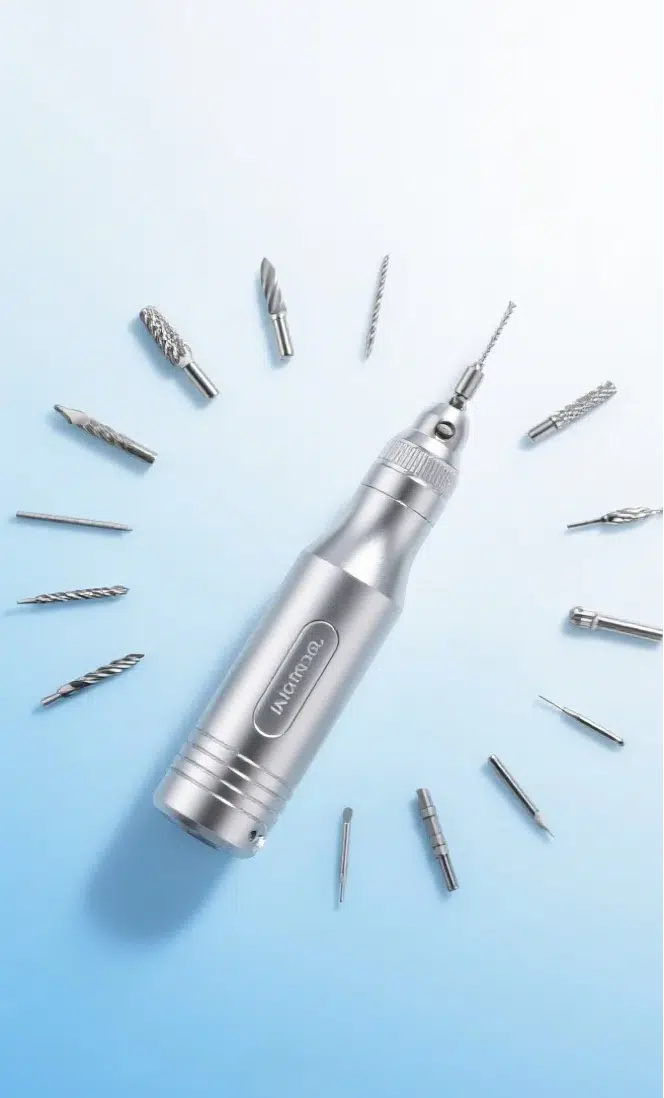
Problems also happen if the drill is not good quality or the bit is wrong for the job. Nail technicians in salons use drills with speeds they can change and gentle bits. They know how to keep nails safe and not hurt the nail matrix. People at home sometimes pick the wrong settings or push too hard, which causes more damage.
When used right, professional e-files are actually softer on nails than filing by hand. E-files let trained people work only where needed and not file the whole nail for no reason.
It is important to use good tools and be safe with nail drills. Picking the right drill and not going too fast can stop nail damage. Nail technicians say to learn the right way and use drills made for safe, gentle use.
Risk Factors for Nail Damage
Technician Skill
Nail technicians play a big role in keeping nails healthy. They learn how to use electric tools safely. Skilled nail technicians know how to avoid damage. They understand the right speed and pressure for each client. When someone without training uses nail drills, the risk of nail breakage goes up. Nail technicians also know how to pick the right bit for each job. They watch for signs of trouble and stop before real harm happens.
Drill Quality
The quality of electric nail drills matters a lot. High-quality tools work smoothly and have safety features. Good drills let users control speed and pressure. Cheap or old drills can shake or get too hot. This can cause damage to the nail plate. Nail technicians often choose electric drills with adjustable settings. These drills help them work gently and avoid nail breakage. A safe drill protects both the nail and the skin around it.
Technique and Pressure
How someone uses an electric nail file makes a big difference. Nail technicians follow safe steps to protect nails. Problems often happen when people use the wrong technique. Some common mistakes include:
- Using too much pressure instead of letting the bit do the work
- Picking a speed that is too high for the task
- Choosing the wrong bit for the job
- Holding the electric file in one spot for too long
- Filing against the natural grain of the nail
These mistakes can lead to lasting damage. Nail drills should move smoothly over the nail. Nail technicians always keep the file moving and use gentle pressure. They know that careful technique keeps nails strong and healthy.
Preventing Nail Damage
Safe Nail Drill Practices
People can keep nails safe by using e-files the right way. Always start with the lowest speed on the electric nail file. Lower speeds help stop heat and lower the chance of harm. Keep the e-file moving and do not stay in one spot. This keeps the nail plate from getting thin or sore. Gentle bits are best for natural nails. Beginners should practice on fake tips before real nails. Light pressure is safer than pressing hard. Many nail technicians say to take a class or watch videos to learn how to use e-files.
Tip: Clean and take care of electric nail files after every use. Clean tools work better and help keep nails healthy.
Taking care of electric nail files helps them work well. Clean and oiled tools do not get too hot or rub too much. This stops nails from breaking and keeps e-file use safe for everyone.
Choosing a Safe Electric Nail File
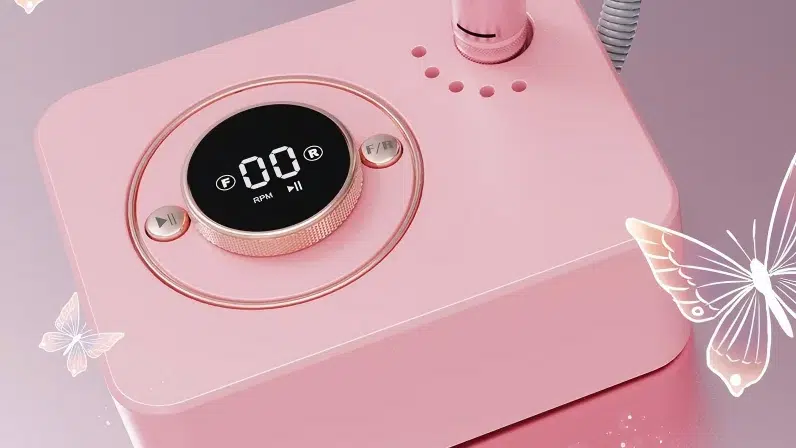
Picking the right electric nail file helps keep nails healthy. Look for models with speeds you can change. Adjustable speeds let you pick the best RPM for each job. Lower RPMs are good for gentle work, and higher speeds help with acrylics. Overload protection is also important. This safety part turns off the e-file if you press too hard, so nails do not get hurt.
The LANCOLOR Nail Drill Machine has many of these safety parts. It lets you change the speed, has a comfy handle, and overload protection. The non-slip handle helps you hold it tight, so it feels steady and easy to use. The machine comes with gentle bits, so you can pick the best one for your nails.
When buying electric nail files, check for these safety features:
| Safety Feature | Description |
|---|---|
| Manufacturer Reputation | Pick brands you trust that have safety certificates. |
| Speed Control | Find smooth, adjustable speeds for better control. |
| Ergonomic Design | Choose designs that make hands less tired and feel good to use. |
People who use these tools often say quality and strength matter. Many like electric nail files that are safe and last a long time. Cordless types also help people keep their nails healthy.
Alternatives to Nail Drills
Some people have weak or sore nails and want to skip e-files. They can try other ways instead of electric nail files:
- Trim and file nails gently to keep them short and even.
- Use cuticle oil or jojoba oil every day to keep nails moist.
- Put on a base coat that makes weak nails stronger.
- Use gentle tools, like an electric nail file with slow speeds and soft bits.
- Take breaks from gel manicures to let nails rest.
Hand filing gives more control and is often safer for natural nails. It takes longer than using an e-file, but it lowers the chance of breaking nails. Both ways can be safe if you use good skills and the right steps.
Note: Always pick the way that feels safest for your nails. If you are not sure, ask a professional for help.
Nail drills can damage nails if used the wrong way or with poor-quality tools. People should follow safe steps and choose trusted brands to lower risks. Experts recommend letting the bit do the work, using gentle pressure, and keeping nails clean and moisturized. Regular trimming and using the right bit shape help protect nail health. With careful use and good habits, anyone can enjoy salon-quality results at home while keeping nails strong and healthy.
FAQ
Can nail drills be used on natural nails?
Nail technicians use nail drills on natural nails with care. They choose gentle bits and low speeds. This helps protect the nail plate from thinning or damage.
How often should someone use a nail drill?
Most experts suggest using a nail drill only when needed. Too much use can weaken nails. Many people wait two to three weeks between sessions.
What is the safest speed for a nail drill?
Low to medium speeds work best for natural nails. High speeds can cause heat and damage. Users should start slow and increase speed only if needed.
Do nail drills hurt?
Nail drills should not hurt when used correctly. Pain or heat means the user should stop. A trained technician knows how to avoid discomfort.
How can someone tell if a nail drill is safe?
A safe nail drill has adjustable speed, overload protection, and a comfortable grip. Trusted brands like LANCOLOR offer these features. Users should check for safety certificates.