

A clear difference is there between an e-file and a finger nail drill. Many people think anyone can use an e-file. But you need training to avoid harm. Using an e-file wrong can make nails thin or sore. It can also cause bruises or make nails sensitive. The right bits nail drill and careful use keep nails safe. Picking the best nail drill professional tool gives good results. It also helps protect nail health.
Key Takeaways
E-files and nail drills help with nail care. They do different jobs. E-files use electricity and are fast. Professionals use them for better results.
You need training to use e-files safely. If you use them wrong, nails can get hurt. Beginners should go slow and follow safety rules.
Pick your tool based on your nails. E-files are good for gel and acrylic nails. Manual drills work for simple filing.
Clean your tools often. This includes nail dust collectors. Clean tools keep the workspace safe and healthy for everyone.
Use the right bits and speeds with e-files. This makes nail care faster and safer. It also keeps nails healthy.
What is an e-file or electric nail drill?
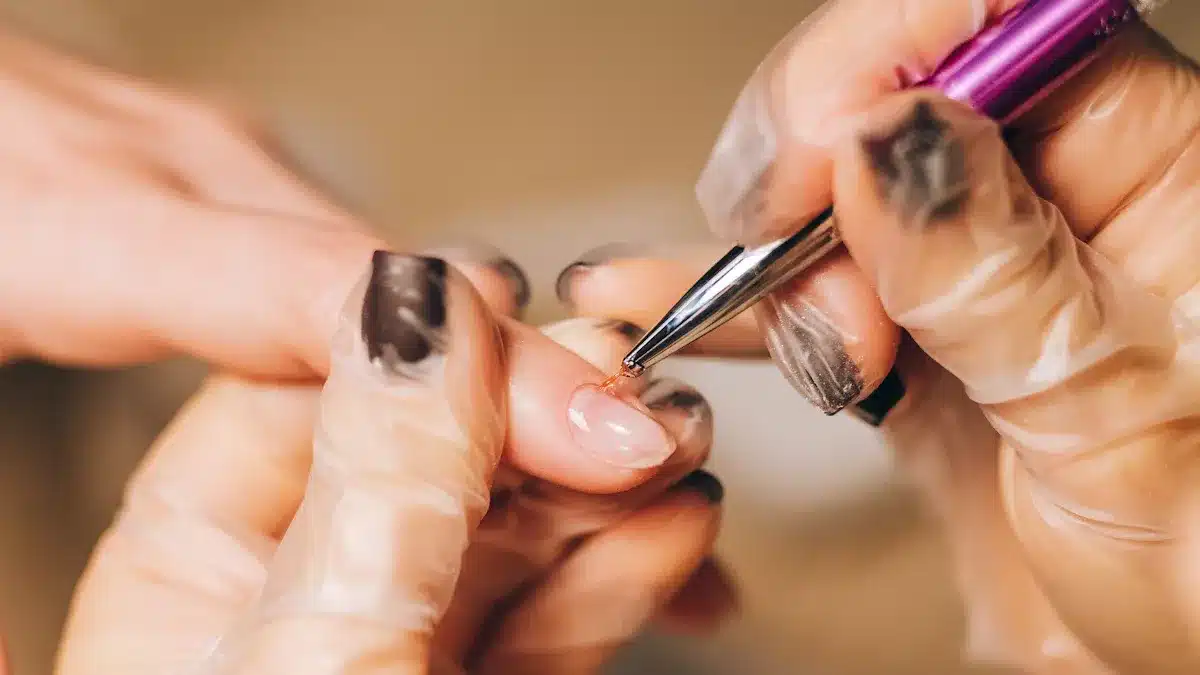
Definition and Features
In nail salons, people sometimes call an e-file an electric nail drill. Both are electric tools for shaping, smoothing, and cleaning nails. These tools have a motor that spins bits very fast. This makes nail care quicker and more exact than using hand tools. Electric nail drills come in many types. Some have cords, and some do not. Some drills let you change the speed and show numbers on a screen.
Specification | Details |
|---|---|
Rotation Directions | 2 directions for convenient use |
Charging Method | USB cord |
Charge Duration | 2.5 hours for >30 min continuous use |
Indicator Light | Blue when fully charged, red when charging |
Power | 3W |
Speed | 10,800 RPM |
Included Heads | 5 different heads for multi-functional use |
Power Input | 25W |
Voltage | 12V/2A |
Input Voltage | 110-220V 50/60Hz |
Motor Type | Durable Brushless Motor Hand-piece |
Cordless & Rechargeable | Yes |
Rotary Speed | 35,000 RPM |
Speed Control | Visible Digital 0-35 speed control |
Battery Working Time | 8-10 hours |
Full Charging Time | 3 hours |
Common Uses
Nail techs and fans use the electric nail drill for many jobs. They shape nails, take off gel polish, clean cuticles, and get nails ready for new styles. The e-file removes extra nail before using a hand file. It also makes buffing and smoothing faster and easier. People can pick different bits for each job. Diamond cuticle bits are gentle for cleaning. Carbide bits work well for hard fake nails.
Tip: Picking the right bit and speed helps you work better and feel more comfortable.
Most common features in professional settings:
Type of Nail Drill | Description |
|---|---|
Corded Nail Drills | Plug into the wall and are good for busy salons. |
Cordless Nail Drills | Recharge and are easy to use anywhere. |
Variable Speed Nail Drills | Let you change speed for different jobs and give more control. |
Portable Nail Drills | Small and light, so you can carry them easily. |
Who Should Use an E-file?
Professional nail techs get the most from using an e-file or electric nail drill. These tools help them work fast and do tricky nail jobs well. Beginners should learn how to use these tools safely. If you use them wrong, you can hurt your nails. People who want to do detailed nail work or work with gel and acrylic nails find the e-file very helpful. DIY users can use these tools too, but they must be careful and follow safety rules.
What is a finger nail drill?
Manual vs. Electric Nail Drill
A finger nail drill can be manual or electric. People call both types “nail drills,” which can be confusing. Some people think of building tools when they hear “nail drill.” In nail care, a finger nail drill is for shaping and smoothing nails.
Manual finger nail drills look like simple files. You move them back and forth to shape nails. Electric finger nail drills have a motor that spins a bit fast. This makes nail care quicker and easier. The table below shows how manual and electric drills are different:
Feature | Electric Nail Drills | Manual Nail Files |
|---|---|---|
Speed & Efficiency | Saves 15–20 minutes per set or fill | Slower, takes more time |
Consistency | Gives even pressure and smooth results | Depends on user technique |
Ergonomics | Less wrist strain, safer for hands | Can cause wrist fatigue |
Versatility | Handles many tasks with one device | Limited to basic filing |
Professional Finish | Creates flawless nail surfaces | Needs more effort for smoothness |
Main Features
A finger nail drill has features that help with nail care. Electric models let you change the speed. You can switch bits for sanding, buffing, or taking off gel. Manual finger nail drills are light and easy to carry. Electric ones often have safety controls and are made to protect your hands and wrists.
Tip: Pick the right bit for your finger nail drill. This helps you do the job well and keeps your nails safe.
Typical Applications
People use a finger nail drill for many things. Nail techs in salons use electric models to file, shape, and sand nails fast. At home, people use manual or electric drills to shape and smooth nails. The tool helps take off gel polish, clean cuticles, and smooth rough skin. Different attachments make the finger nail drill good for many nail jobs. Both pros and beginners use these tools to make nails look neat and smooth.
E-file vs. nail drill: key differences

Terminology and Usage
Many people use the terms e-file and nail drill when talking about nail care tools. In salons, technicians often refer to an e-file as an electric nail drill. Both tools help shape, smooth, and clean nails. The main difference comes from how people use these words. An e-file usually means a professional electric tool with advanced features. A nail drill can mean either a manual file or an electric device. Sometimes, people confuse a nail drill with a construction tool, but in nail care, it always refers to a device for nails.
Note: TDLR does not prohibit any type of manicure service, including e-file manicures, as long as the tools and techniques comply with their health and safety standards.
Nail salons must follow strict rules for all tools. These steps are required for compliance and client safety, and they apply to all tools used—whether manual or electric.
Function and Performance
The function and performance of an e-file and a nail drill can vary. An e-file often has more power, better control, and advanced safety features. A nail drill may have basic controls and less torque. The table below shows how these tools compare:
Metric | E-Files | Nail Drills |
|---|---|---|
Power | Premium e-files start from 45W | Varies, often lower than e-files |
Torque | Recommended 2.5-3.0 N/cm for hands | Generally lower torque |
Control Unit | Features overload protection and feedback | Basic controls, less advanced |
A nail drill helps technicians work faster. It shapes, buffs, and smooths nails, allowing them to handle more clients in less time. With different bits, a nail drill provides precision that is hard to achieve with manual tools. Nail drills are versatile and can handle many nail care tasks.
The speed of these tools also matters. The table below shows the RPM ranges for each type:
Type | RPM Range |
|---|---|
E-files | 15,000 – 40,000 |
Nail Drills | 25,000 – 35,000 |
Cheaper e-files often lack durability and reliability. They may use inferior components, which leads to unsustainable torque. These models suit home use or beginners more than professionals. The cost of e-files can vary. Low-cost models start around $60. Professional-grade e-files can start at $300 and go up to $450. The price difference comes from factors like torque, motor technology, and brand reputation. Professionals often look for at least 35 watts of power in a quality e-file. Cheaper models may need replacement soon, which increases long-term costs.
Suitability for Nail Types
Choosing between an e-file and a nail drill depends on the type of nails. Each tool works best for certain nail services.
Natural nails: Nail drills and e-files help with natural gel extensions and basic nail care.
Gel nails: Nail drills work well for gel polish removal, shaping, and prepping nails. LED nail lamps and nail drills are common in gel nail services.
Acrylic nails: Nail drills are essential for acrylic nail kits, powders, and brushes. They help shape and smooth tough acrylic surfaces.
A nail drill can handle many nail types. It works for natural, gel, and acrylic nails. Professionals use nail drills for detailed work and fast results. Beginners can use nail drills for simple tasks, but they should learn proper techniques to avoid damage.
Tip: Picking the right tool for your nail type helps you get the best results and keeps your nails healthy.
Pros and cons of each tool
E-file Advantages and Disadvantages
E-files give many good things to nail techs and fans. They remove extra nail fast when finishing or fixing nails. This makes nail work quicker and easier. Most people think e-files save time over a manual nail file. Good e-files often work better and last longer. Some clients feel worried about e-files, but learning about them helps build trust. Training is needed because using them wrong can hurt nails or skin. Some people like using a manual nail file for prep. They think it is safer and does a better job.
Tip: Always use the right handpiece and real parts to keep your e-file working well.
Common good things about e-files:
They shape and smooth nails fast.
You can use many bits for different jobs.
They make gel and acrylic nails look pro.
Possible bad things:
You need training to not hurt nails.
Some clients may feel nervous at first.
You must check and clean them often.
Using them wrong can make nails thin or sore.
Nail Drill Advantages and Disadvantages
Nail drills, both electric and manual, have good and bad sides. Many techs use nail drills to shape, buff, and smooth nails. A manual nail file is good for simple filing and is easy to carry. Electric nail drills do hard jobs and save time. But nail drills can make dust in the air. This dust may have germs that are not safe. Some people wear masks, but not all masks stop tiny dust. Doctors say breathing nail dust can cause health problems.
Note: Clean the vacuum nail drill filter after each use to keep your space safe.
Good things about nail drills:
They work for many nail types.
They save time over manual nail files.
You can use them at home or in salons.
Bad things:
Dust in the air can be bad for health.
You must clean filters and change parts.
Using them too much can break the motor.
Taking care of e-files and nail drills helps them last longer. Users should check for damage, change broken parts, and not let them get too hot. Picking the right tool and caring for it keeps nail care safe and works well.
Choosing the right tool
For Natural Nails
Picking the best tool for natural nails depends on a few things. If your nails are strong, you can use a regular nail file. If your nails are weak, pick a softer tool. How often you file your nails is important too. Some people file every week. Others only shape their nails once a month. The look you want also matters. Use an emery board to shape your nails. Use a nail file to make them smooth and shiny.
Check how strong your nails are before picking a tool.
Think about how many times you file your nails.
Choose if you want a shiny or plain look.
Emery boards are good for shaping. Nail files are good for smoothing.
Learning to use a nail drill the right way keeps nails safe. If you are new, start slow and press gently.
For Gel and Acrylic Nails
Gel and acrylic nails need stronger tools. Nail techs use electric nail drills and e-files to shape and take off gel or acrylic. The table below shows some good tools for these nails:
Tool Name | Description | Rating | Price |
|---|---|---|---|
COSLUS Cordless Nail Drill | For Acrylic Gel Dip Powder Nails | 4.5 out of 5 | S$ 21.90 |
MelodySusie Entry-Level Nail Drill | For Training and Home Use | 4.6 out of 5 | S$ 51.59 |
MelodySusie Nail Dust Collector | Vacuum Fan Dust Extractor | 4.5 out of 5 | S$ 64.49 |
TUOBEO Cordless Nail Drill | Rechargeable Efile Set | 4.6 out of 5 | S$ 18.56 |
Glamonade Acrylic Nail Kit | Nail Set for Beginners | 4.3 out of 5 | S$ 51.59 |
MelodySusie Acrylic Nail Clippers | Adjustable Stainless Nail Trimmer | 4.6 out of 5 | S$ 6.44 |
JOSGLOI Electric Nail File Drill | Professional Kit for Salon Use | 4.5 out of 5 | S$ 61.25 |
Using an efile is very important for gel and acrylic nails. Training helps you learn to use an electric nail drill the right way. Other helpful tools are cuticle removers, brushes you can clean, brush holders, and palettes.
Safety and Workspace Cleanliness
Keeping your nail area clean and safe helps everyone. Good habits stop sickness and make nails look better.
Wash your hands before and after each client.
Wear gloves and throw them away after each use.
Clean tools and tables after every service.
Use things you can throw away to stop germs from spreading.
Make sure to sterilize tools you use again.
Be careful when using chemicals.
Teach clients about nail care.
Remind people to check their health often.
Learn new ways to keep things safe.
Nail dust collectors help keep the air clean. The LANCOLOR Nail Dust Collector Machine catches tiny dust right away. This stops allergies and breathing problems. These machines keep you from breathing in bad things like fungus and bacteria. Nail dust collectors make the air better and keep everyone safer. Studies say dust extractors can cut dust and chemicals in the air by more than 60%. Clients see less dust and smell fewer bad odors, so they trust the salon more. Nail techs have fewer allergies and breathing issues.
E-files and nail drills do different jobs for nail care. Picking the right tool helps you work faster and keeps nails healthy. Good tools let nail techs finish jobs quickly and avoid harm. To stay safe, you must set the right speed, hold the tool at the right angle, and pick the best bits. Nail dust collectors, such as the LANCOLOR Nail Dust Collector Machine, help keep the air clean. They lower allergies and make the workspace safer. Clean air is important for the health of workers and clients.