

Many regions do not legally require nail salons to install dust extractors. However, occupational health guidelines and industry best practices strongly recommend their use to reduce exposure to fine dust and chemical particles.
According to research from organizations such as NIOSH, long-term exposure to acrylic dust and nail product residues may contribute to respiratory irritation, skin conditions, and other health concerns. For this reason, dust extraction systems are widely considered an essential part of a safe and professional salon environment.
Key Takeaways
- Nail dust extractors significantly reduce airborne dust and chemical exposure
- Legal requirements vary by region, but ventilation standards are often enforced
- Proper air control improves both technician safety and client experience
- HEPA filtration and strong suction are key performance factors
- Regular maintenance ensures consistent performance and protection
Are Nail Dust Extractors Legally Required?
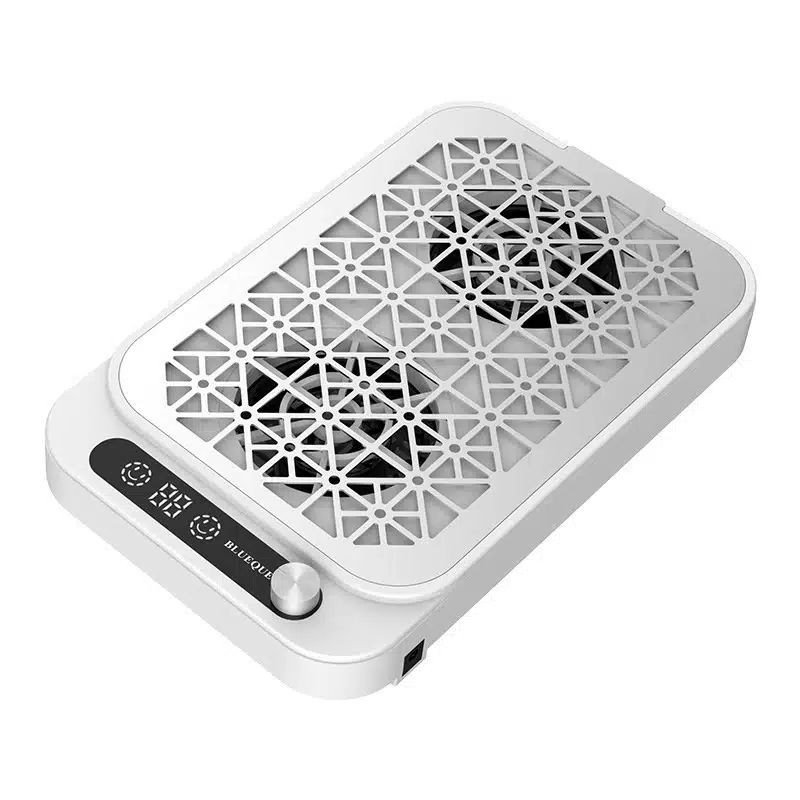
Short Answer and Legal Overview
In most regions, nail dust extractors are not explicitly required by law. However, many local regulations require salons to maintain adequate ventilation to control airborne dust and chemical exposure.
For example, occupational safety standards—such as those outlined by OSHA—emphasize the importance of proper airflow and air quality in workplaces where chemicals or fine particles are present.
In practice, this means that while a specific “dust extractor” may not be mandatory, salons are often required to use effective ventilation or source capture systems to meet compliance standards.
When Dust Extraction Is Required in Nail Salons
Some jurisdictions enforce stricter ventilation requirements, especially in larger or high-traffic salons. These may include:
- Local exhaust ventilation at each workstation
- Minimum airflow rates (measured in CFM)
- Systems designed to capture dust at the source
Failure to meet these requirements can result in fines or licensing issues. Because regulations vary widely, salon owners should always verify requirements with local health or licensing authorities.
When Dust Extractors Are Recommended but Not Mandatory
Even in areas where dust extractors are not legally required, they are strongly recommended.
Industry guidelines highlight that:
- Fine nail dust can remain suspended in the air
- Chemical particles may accumulate in enclosed spaces
- General ventilation alone may not provide sufficient protection
As a result, many salons choose to install dust extractors to improve air quality, reduce health risks, and demonstrate a higher standard of professionalism.
Why Nail Dust Extractors Are Important
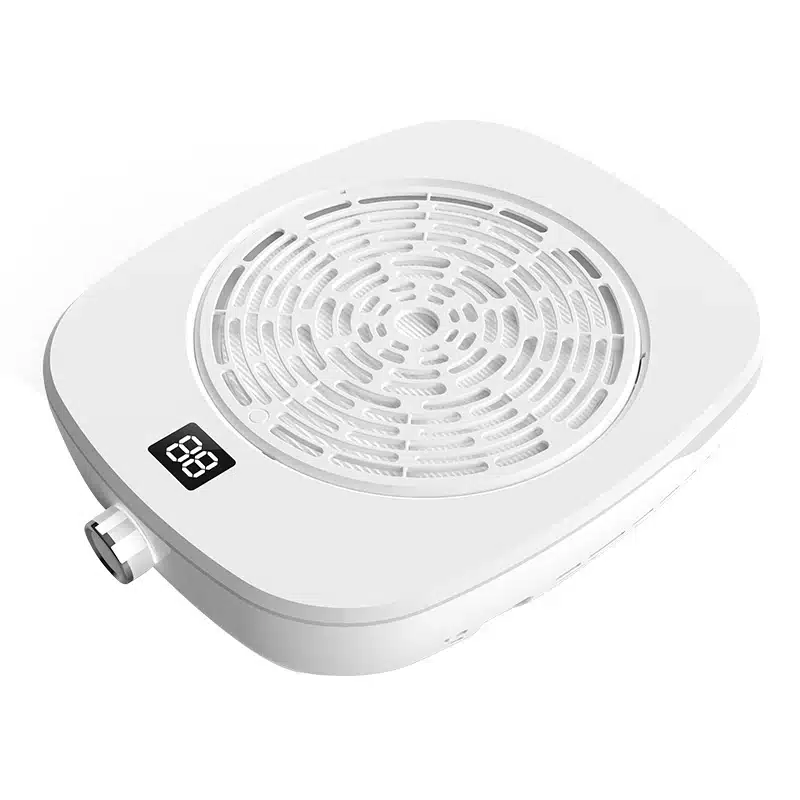
Protecting Nail Technicians from Dust Exposure
Nail technicians are exposed to a combination of fine dust and chemical vapors during daily work. These may include substances such as acrylic powders and volatile organic compounds (VOCs).
Long-term exposure has been associated with:
- Respiratory irritation and coughing
- Occupational asthma
- Skin sensitivity and dermatitis
- Eye irritation and headaches
Dust extractors work by capturing particles at the source, preventing them from entering the breathing zone.
Improving Client Safety and Air Quality
Cleaner air benefits not only technicians but also clients. Studies show that proper ventilation and dust extraction can significantly reduce airborne particle concentrations.
Improved air quality can lead to:
- Fewer odors and chemical fumes
- Reduced irritation for sensitive clients
- A more comfortable salon environment
In well-ventilated spaces, pollutant levels can drop substantially within a short period, improving overall indoor air conditions.
Reducing Long-Term Health Risks
Without proper dust control, continuous exposure may increase the risk of long-term health issues, including:
- Chronic respiratory conditions
- Allergic reactions (such as eczema or conjunctivitis)
- Increased sensitivity to chemicals
Effective dust extraction helps minimize these risks and supports a safer workplace over time.
Alternatives and Additional Ventilation Options
General Salon Ventilation Systems
General ventilation systems improve overall air circulation by replacing indoor air with fresh air. While helpful, they are typically not sufficient on their own.
Best practice often combines:
- General ventilation (room-level airflow)
- Source capture systems (at the nail station)
Air Purifiers vs. Dust Extractors
Air purifiers and dust extractors serve different purposes:
- Air purifiers clean air at the room level
- Dust extractors capture particles directly at the source
Professional nail dust extractors typically use strong suction combined with HEPA filtration, capable of removing over 99% of fine particles before they spread into the surrounding air.
Some models—such as LANCOLOR and similar devices—also offer low-noise operation and easy maintenance, making them suitable for both small studios and busy salons.
Limitations of Alternative Solutions
Alternative solutions may have limitations:
- General ventilation may dilute, but not remove, contaminants
- Air purifiers cannot capture dust immediately at the source
- Effectiveness depends on room size and layout
For this reason, source capture systems remain the most effective option for controlling nail dust.
How to Choose the Right Nail Dust Extractor
Filtration Efficiency and Suction Power
A high-quality nail dust extractor should provide strong, consistent suction to capture dust and particles directly at the source. This prevents fine debris from spreading into the surrounding air.
Equally important is the filtration system. Models equipped with HEPA filters can typically remove over 99% of fine particles, making them highly effective for maintaining a clean and safe working environment.
Together, strong suction and efficient filtration form the foundation of reliable dust control in professional salons.
Noise Level and Comfort
Noise level is an important consideration in any salon environment. Excessive noise can affect both technician focus and client comfort.
Most professional dust extractors are designed to operate at moderate sound levels, similar to normal conversation. For salons that prioritize a relaxing experience, low-noise models are especially beneficial.
Choosing a quieter unit can significantly improve the overall working atmosphere.
Maintenance and Filter Replacement
Ease of maintenance is another key factor to consider when selecting a nail dust extractor. Systems that are simple to clean and service help ensure long-term performance.
Typical maintenance requirements include:
- Emptying dust containers on a regular basis
- Cleaning pre-filters to prevent buildup
- Replacing HEPA filters every 6–12 months, depending on usage
Choosing a model with accessible components and straightforward maintenance can reduce downtime and help maintain consistent air quality over time.
Conclusion
Nail dust extractors are not always legally required, but they are widely considered essential for maintaining a safe and compliant salon environment.
By improving air quality, reducing exposure to harmful particles, and supporting regulatory standards, these systems play a key role in both technician safety and client comfort.
Investing in effective dust extraction is not just about compliance—it reflects a long-term commitment to health, professionalism, and service quality. For salons looking to upgrade their setup, choosing a reliable, well-designed system—such as models with strong suction and HEPA filtration (for example, solutions like LANCOLOR nail dust collectors)—can make a meaningful difference in both performance and user experience.
FAQ
What does a nail dust extractor do?
A nail dust extractor captures fine dust and airborne particles generated during nail treatments, such as filing, acrylic application, and gel removal. By removing these particles at the source, it helps maintain cleaner air, improves salon hygiene, and reduces health risks for both technicians and clients.
Are nail dust extractors mandatory in salons?
Not always. Laws vary by region, but most require proper ventilation and air quality. While dust extractors are not always explicitly mandated, they are often the most effective way to meet these requirements.
Can an air purifier replace a nail dust extractor?
No, an air purifier cannot fully replace a nail dust extractor. Air purifiers clean the air after dust and particles have already spread throughout the room, while dust extractors capture contaminants directly at the source. For best results, many salons use both systems together to improve overall air quality.
How often should filters be replaced?
Most HEPA filters should be replaced every 6–12 months, depending on usage. Regular maintenance ensures optimal performance.
What type of filter is best for nail dust extractors?
A true HEPA filter is the best option. It captures at least 99.97% of fine dust particles, helping keep salon air clean and safe.